You never see the garden. The property’s let, the rent lands, and the first you hear about the garden is a tenant’s message about waist-high grass, or a check-out photo of something you don’t recognise. Garden maintenance for landlords isn’t a gardening problem. It’s a scheduling one. Who cuts the grass is decided by the tenancy agreement, not by goodwill, and the gap between the clause and what happens is where deposit disputes start. This is for buy-to-let owners, HMO operators and letting agents around Sunderland, Washington and the wider North East: what you can pass on, what you can’t, and what it costs when it’s left.
TL;DR
- A tenancy can pass on mowing, weeding and basic tidiness. It can’t pass on tree work, hedge reduction or anything needing a chainsaw.
- Vague wording loses. “Keep the garden in good order” means nothing at adjudication; “cut the lawn monthly, April to September” does.
- Dated check-in and check-out photos are the evidence that matters. Without a baseline, a deduction is hard to defend.
- Letting it go can mean a clearance bill instead. The void week is the cheapest moment to avoid it.
Who cuts the grass is a tenancy question
Most tenancies say something about the garden. Most say it badly. The usual line asks the tenant to keep it “in good and tidy condition”, which sounds fine until somebody has to explain what it meant.
A tenant can fairly be asked to cut the lawn, weed the beds and paths, and keep the bin area clear. Mower jobs. An hour on a Sunday.
What can’t be passed over is anything carrying real risk or a qualification. Tree work. Hedge reduction above head height, chainsaws, ladders, anything on a shared boundary. Your tenant doesn’t own the tree and isn’t insured to cut it.
Why a vague clause becomes a deposit dispute
Once a deduction is challenged, the adjudicator reads the tenancy and the check-in and check-out evidence, then asks the awkward question: is this just twelve months of growth?
That’s the one that catches landlords out. A lawn that’s long in July sits close to fair wear and tear. Dumped furniture, dead borders or the tenant’s rubbish is a different argument, and one you can win.
So the fix isn’t tougher wording. It’s a schedule you control: book the visits, put the cost in the rent, and ask the tenant only to keep it clear enough to work in.
The void week, and what letting it go costs
A void feels like lost money, which is why it’s the week to spend a bit on the garden. The property’s empty. Trailer on the drive, work straight through, nobody to work around.
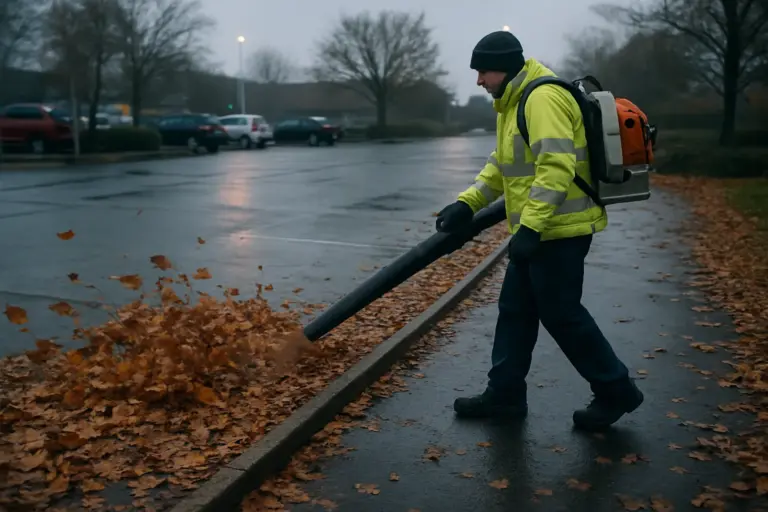
A between-tenancies tidy covers the same ground each time: lawn cut and edged, borders weeded, hedges back to a clean line, overgrowth off paths, green waste away. Photograph it finished, and that set becomes the next tenant’s check-in evidence.
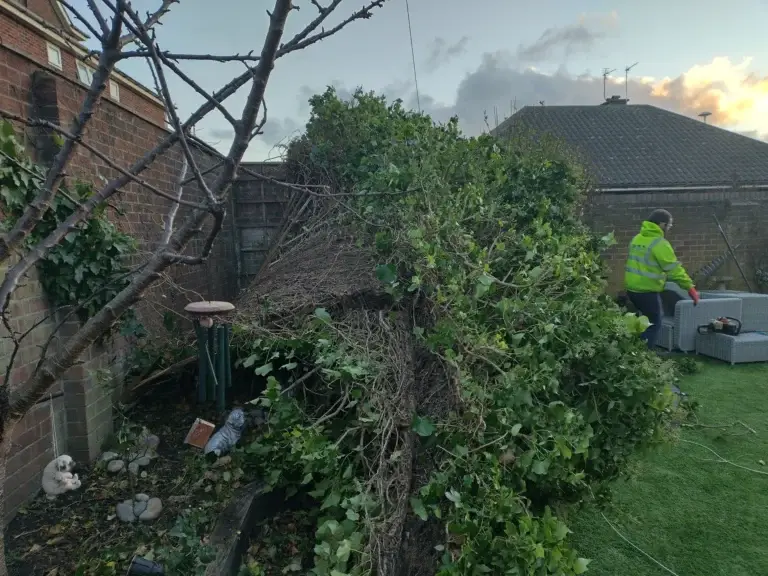
Leave it and you’re buying a clearance instead. The cost of a garden clearance in Sunderland depends on access and volume.
We won’t print a per-visit price here. It depends on the garden’s size, how often you want us and what’s in it, so you get it in writing after we’ve looked. The real comparison isn’t visit price against clearance price: it’s a budgeted cost against one that lands mid-void, with no rent coming in.
Your evidence is the check-in and check-out photos
All of this gets settled by photographs. Not by what you remember, not by what the agent thinks happened. Dated images in a file.
Photograph the garden the day the keys go out: wide shots from the back door and each corner, close-ups of anything already rough. Take the same set from the same spots at check-out. It’s the pair that proves change.
The step landlords skip is tidying before the check-in shots. A garden photographed while already overgrown hands the tenant a low bar to clear.
Rule of thumb: if it isn’t in the check-in photos, you won’t get it back at check-out. Same angles, both ends, date on the file. Without that pair it’s your word against theirs.
The bits you can’t hand over: trees, hedges and overhang
Some of the garden stays yours whatever the tenancy says, because risk follows the land’s owner. A tree in a rental garden is your tree. Dead limbs over a shared path, a crown out across the pavement, branches into next door: your tenant won’t spot any of it. Our guide to the seven signs a tree is dangerous covers what to look for.
Overhang across a public footpath is the one to stay ahead of. The council can serve notice on the owner, and the job costs the same after a complaint as before one. Terraces are the other trap. One long boundary hedge runs behind six gardens, nobody’s certain whose it is, and high hedge complaints have their own council route under the Anti-social Behaviour Act 2003.
Timing counts too. Nesting birds are protected under the Wildlife and Countryside Act 1981, so a June hedge cut gets checked first, and we’ll tell you to wait if there’s a nest. We’re a tree firm, not solicitors: put anything contractual past your agent.
HMO and multi-let gardens
Shared responsibility is usually nobody’s. Five tenants on five agreements won’t organise a rota; you get a jungle and five people who each assumed somebody else had it. Book it, put the cost in the rent, and say at sign-up that the garden’s handled.
Three things need a schedule rather than goodwill:
- Bin areas clear and reachable, so collections actually happen.
- Fire escape routes, external stairs and side passages free of growth, all year.
- Paths and steps kept off moss and leaf mulch; that’s where people slip in a wet North East winter.
What to ask a garden contractor for
Get these in writing before you agree anything:
- A fixed visit schedule with dates, not “as needed”.
- One point of contact you can actually ring.
- Photos after every visit. Cheapest thing on the list, and it’s a dated record of every garden you own.
- Public liability insurance sent to you, not just claimed on a website. We’re fully insured.
- NPTC and LANTRA qualifications for chainsaw work or anything at height.
- What they won’t do. A good contractor will tell you what they won’t do, such as cutting a hedge in nesting season without checking for nests. One who agrees to everything hasn’t looked at the job.
Bigger portfolio, or a mixed commercial site? Our guide to what should be in a commercial grounds maintenance contract goes through the clauses.
Letting in Sunderland, Washington or Durham?
Send us the addresses and tell us what you need, and we’ll get back to you with a clear quote. Our gardening services cover the regular visits; grounds maintenance and clearance covers clearance and larger one-off jobs.
Frequently Asked Questions
Can I make my tenant look after the garden?
Up to a point, and only if the tenancy says so specifically. A tenant with sole use of a garden can be asked to mow, weed and keep it clear of rubbish. Tree work can’t be pushed onto them. Be specific: vague wording is the commonest reason a garden deduction fails.
Can I take garden clearance out of a tenant’s deposit?
You can propose one. Whether it stands comes down to your evidence and to fair wear and tear. Twelve months of growth on a lawn is normally growth, not damage. The tenant’s rubbish or a collapsed shed is a different conversation. Either way the adjudicator only sees the file.
Who is responsible for trees in a rental property’s garden?
You are, as the owner of the land. That covers dead or unsafe limbs, and branches out over a footpath or a neighbour’s garden. A tenant isn’t insured to do tree work. If the tree has a Tree Preservation Order, or stands in a conservation area, you’ll need council consent first.
How often does a rental garden need maintaining?
It depends on the garden and the season: more often through the growing season, then a lighter winter schedule for paths and leaves. Mature hedges or trees need a heavier visit or two on top. Between tenancies, book a tidy into the void. The right frequency depends on the garden, which is why we look before quoting.
DB Tree & Garden provides free no-obligation quotes across Sunderland, Washington, Durham, Seaham and the wider North East. We’re fully insured, NPTC and LANTRA qualified, and we’ll send a clear written quote.
Get a free no-obligation quote for local, fully insured tree surgery & garden services across Sunderland and the North East.